
What we do
Through our four programs Grow+, Process+, Lead+, and Own+, we design context-matched solutions to create economic empowerment, never one-size-fits-all: improving yields and quality, creating jobs, advancing gender equality, and empowering farmers, families, and youth to build sustainable futures.
It’s difficult, extremely difficult. But with trust, hard work, and the right mindset, transformation is possible. Together, we’re proving that coffee can be a source of shared value, opportunity, and lasting change.
-
In Ethiopia’s coffee region Sidama, most smallholder farmers depend entirely on the yield of their coffee trees for survival. Yet the land they farm is limited, and their harvests often too small to sustain a family. Poor soil fertility, aging trees, and a changing climate make it harder each year to grow quality coffee; leaving farmers working harder, but earning less. This cycle of dependency and decline keeps many families trapped in poverty.
Grow+ was created to change that. To tackle the root causes of low productivity and economic vulnerability. The program focuses on improving yield and quality within the small plots farmers already own, with a special emphasis on specialty coffee that can bring higher and more stable incomes.
Under Grow+, we develop projects that combine innovation with local knowledge.
A demonstration farm serves as a living classroom where farmers learn and test practical solutions together.
A contextual farm curriculum, designed by farmers for farmers, shares hands-on lessons in soil health, composting, agroforestry, and climate adaptation.
Annual access to 350.000 affordable, climate-resilient seedlings helps farmers renew and strengthen their plots while improving both quality and resilience.
We facilitate the production of organic fertilizer made out of waste-streams, and sustainable practices to build long-term soil fertility and protect the environment that sustains the coffee.
Step by step, Grow+ helps 3500 farmers turn limited land into opportunity and hope: improving yield, quality, and income while laying the foundation for self-sustaining, resilient livelihoods.
-
In Ethiopia’s coffee-growing communities, even when farmers manage to grow better coffee, much of its potential value is lost after harvest. Without access to proper processing facilities or knowledge of post-harvest handling, beans often lose quality and the chance to earn a fairer price. Most smallholders sell unprocessed cherries to intermediaries, missing out on the income and pride that come from understanding and improving their own product.
This lack of local processing also breaks traceability; making it difficult for roasters and importers to source directly from individual farmers, ensure transparency, or reward quality. As a result, both producers and buyers lose value in a system that favors volume over connection.
Process+ was created to change that. To help farmers capture more of the value they create and to build a transparent, quality-driven link between farmer and roaster. The program focuses on developing the skills, knowledge, and infrastructure that keep both the income and the story of the coffee within the community.
Under Process+, we work together to:
Train farmers in coffee processing. From floating, pulping, and washing to drying, storing, and understanding how each step shapes cup quality and value.
Operate a community wet mill, providing access to equipment, quality control, and market linkages, while creating inclusive and stable jobs.
Offer co-production opportunities for talented farmers to process coffee alongside us or at their own farms, enabling them to earn higher prices for higher quality.
Strengthen financial literacy and business awareness, so farmers understand their product, their costs, and their worth.
Encourage traceability and transparency, connecting farmers directly with roasters and importers who value quality, origin, and accountability.
Step by step, Process+ helps farmers move beyond survival farming toward entrepreneurship. Creating and keeping more value in their own hands, while building transparent, quality-driven relationships that benefit the entire coffee chain.
-
In Ethiopia’s rural communities, the biggest barrier to change isn’t just a lack of resources. It’s a lack of opportunity, mindset and voice. Many young people and women grow up believing their future is already decided for them, with little access to education, representation, or the skills needed to lead change.
Lead+ was created to change that. Because transformation doesn’t happen through projects; it happens through people. Lead+ focuses on those people: the next generation of farmers, youth, and women who have the courage, ideas, and determination to shape their own future.
Together with local role models, young changemakers, and the team of Bette Buna, we create safe spaces to grow mindset and confidence. Building curiosity, leadership, and the belief that change can start from within.
Projects under Lead+ focus on practical learning and dialogue around financial literacy, life skills, entrepreneurship, and storytelling; combined with open conversations about gender equality, inclusion, and opportunity.
Lead+ runs alongside our Grow+ and Process+ programs, because leadership here isn’t inherited or given. It’s something we learn, share, and grow together.
-
In Ethiopia’s rural coffee-growing communities, opportunities rarely stay where they’re created. Too often, value flows out through middlemen, markets, and systems that leave farmers and youth with little control over their own futures. Without ownership, progress remains fragile, and communities remain dependent.
Own+ is where everything comes together. Where courage and creativity turn into creation. It’s about people taking charge of what they’ve built: their farms, their ideas, their future. With determination and an entrepreneurial mindset, farmers and youth are learning to see their work as enterprises. From coffee farming and local home-processing to new businesses and shared community ventures.
Step by step, Own+ helps rural communities grow into self-sustaining local economies. Ones that create their own opportunities, drive their own growth, and keep value where it belongs. Together, we’re building something that lasts, and something that can inspire others to do the same.
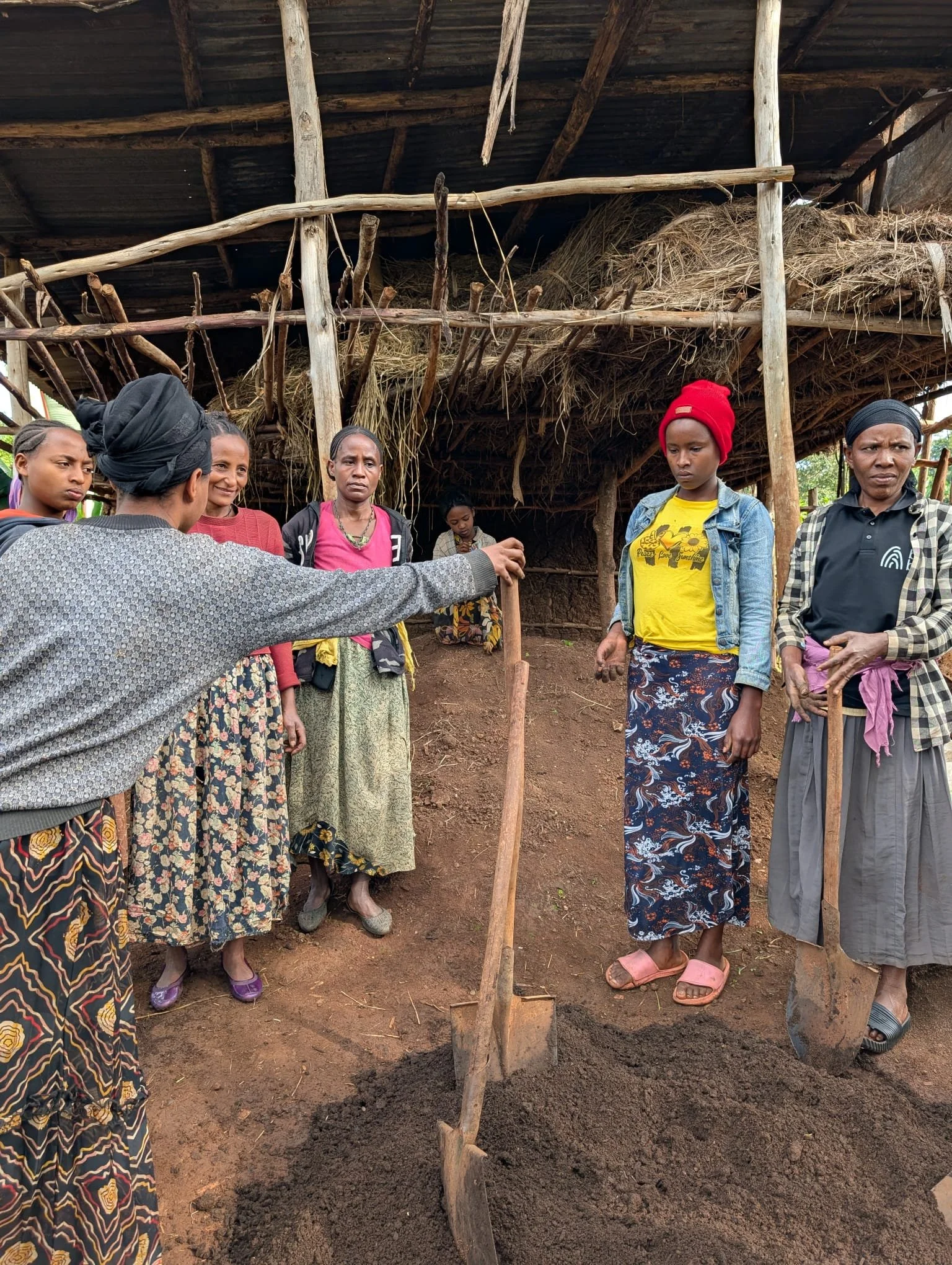
Our projects
Some of our projects are already changing lives. Others are ready to begin, waiting for partners to help make them possible. Explore where your support can turn ideas into impact.
-
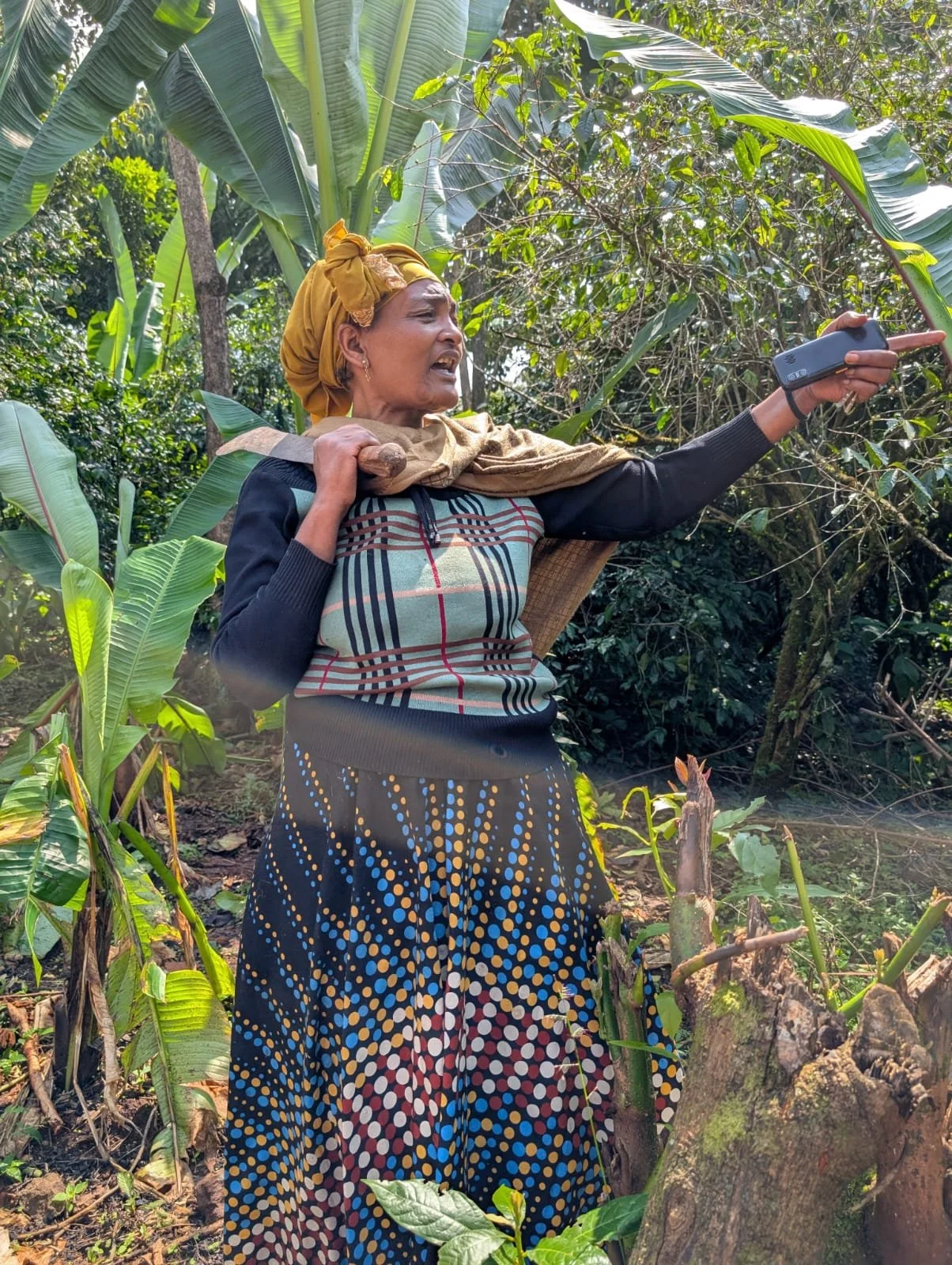
Demo Farm
Most smallholder farmers in Sidama learn best by seeing and doing. Yet survival leaves little space for trial and error. Together with Bette Buna, we’re turning their farm into a living classroom: a safe space where up to 50 farmers at a time can observe, compare, and test new farming methods. With side-by-side plots showing different varietals, agroforestry, and soil practices, farmers see the results with their own eyes: transforming learning from words into experience, and experience into progress.
The Demo Farm is already bringing change, but still needs support for new trials, training materials, and infrastructure. Helping more farmers learn, adapt, and thrive.
-
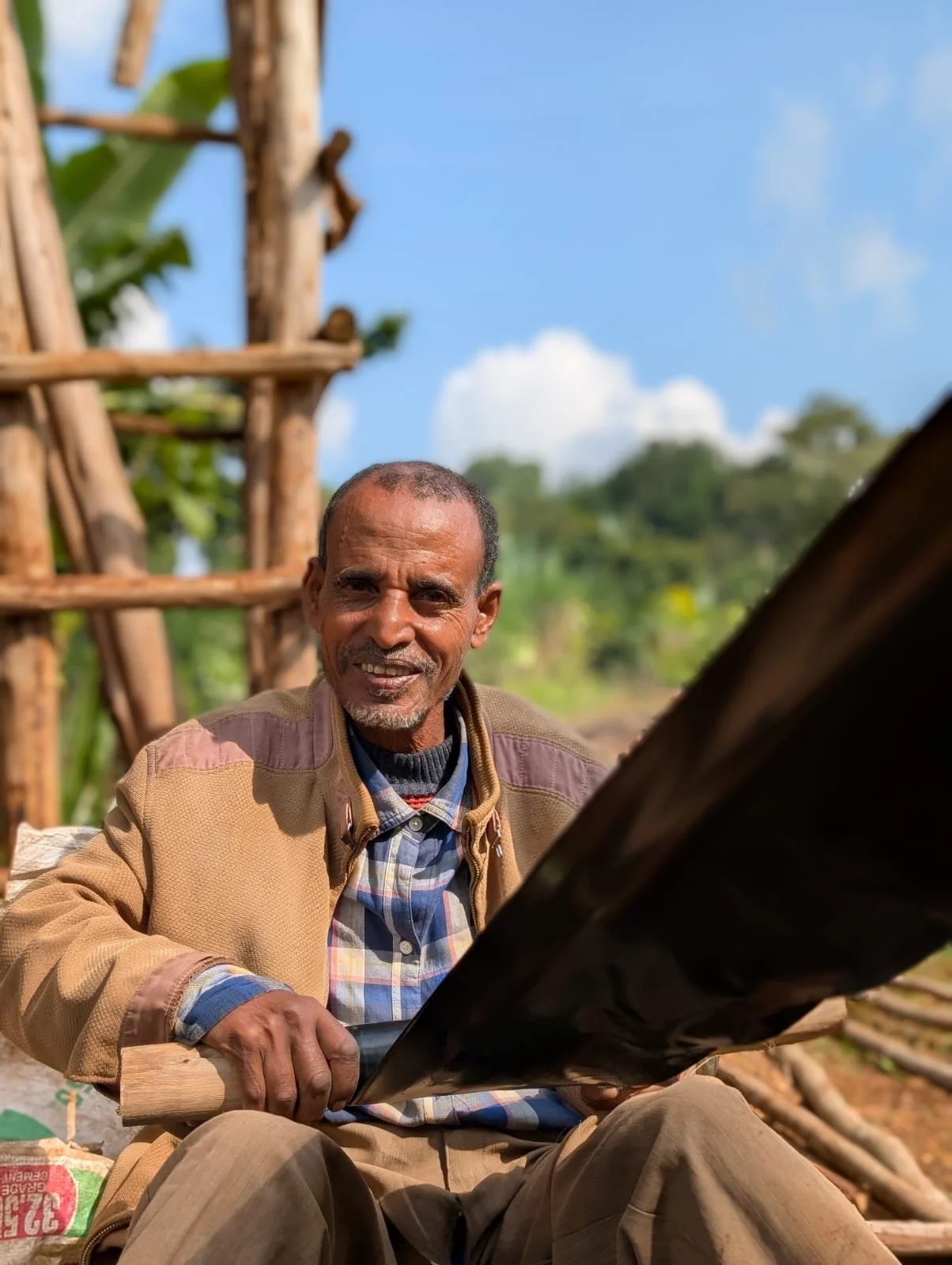
Farm curriculum for farmers by farmers
For years, farmers and field teams at Bette Buna have shared knowledge informally, learning side by side in the fields. Now, we’re developing a farm curriculum for farmers, by farmers. A hybrid learning program built around the agricultural calendar and designed to match real community needs. Using digital tools like radio and TikTok, and organizing 3,500 farmers in groups of 50, we make learning practical, inclusive, and accessible.
We’re ready to begin, and your support can help us train facilitators and expand our reach. Turning shared knowledge into collective impact.
-
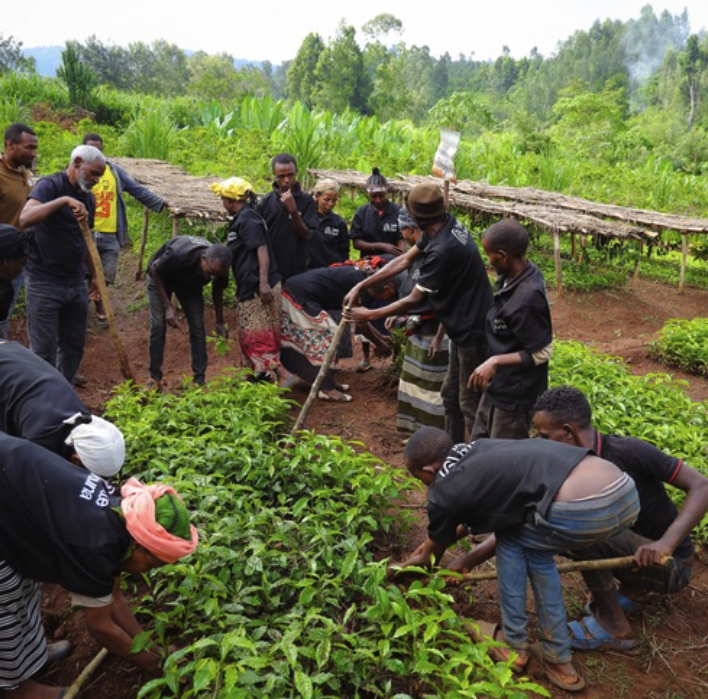
Community planting days
Each year, we reward farmers who take part in our training programs and show commitment to sustainable farming. Together, we distribute 350,000 climate-resilient coffee, food crop, and shade tree seedlings, bred locally in our community nursery to ensure quality and strength.
In our region, improved seedlings are often unavailable, unreliable, or too expensive to access. By producing and providing high-quality plants directly to farmers, we help them renew aging trees, improve yields and quality, and strengthen resilience to a changing climate.
Every year, we rely on donations to cover the cost of growing these seedlings, keeping them accessible and free for committed farmers who work hard to grow both their crops and their communities.
-
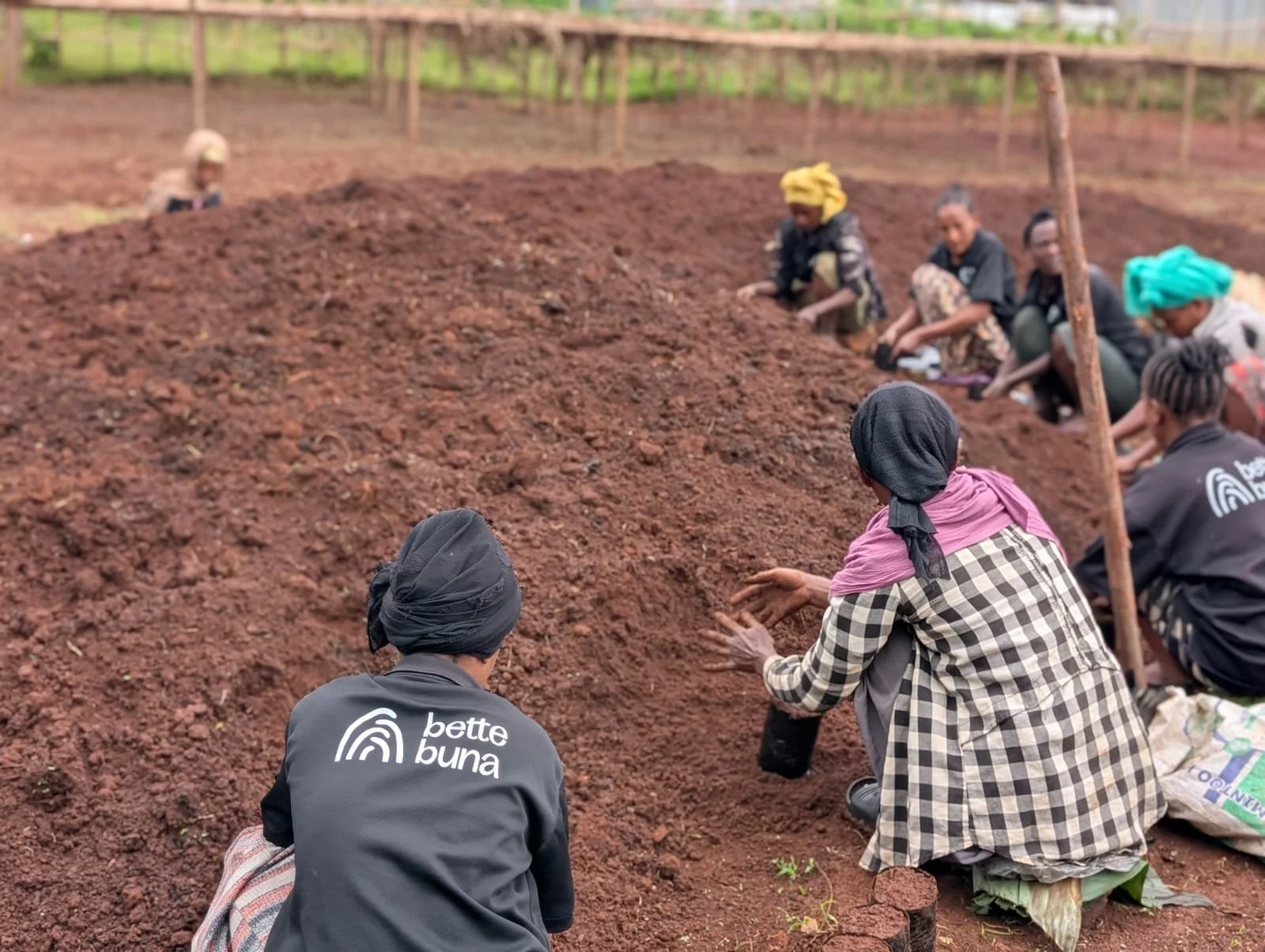
Organic fertilizer hubs
Access to affordable fertilizer is one of the biggest challenges for farmers in our region. Synthetic products are costly, often unavailable, and harmful to soil and income over time. Bette Buna has already started producing its own organic compost and biochar, showing that sustainable alternatives are possible and effective.
Through this project, we aim to extend that innovation to the wider community by developing local hubs where farmers learn to produce organic fertilizer from fruit waste, coffee pulp, spent grounds, and biochar. Together with the Demo Farm as a trial site, we’ll test and improve these methods using soil analysis and hands-on training.
With your support, we can launch the first hubs and help farmers turn waste into growth: improving yields, restoring soil health, and building climate resilience.
-
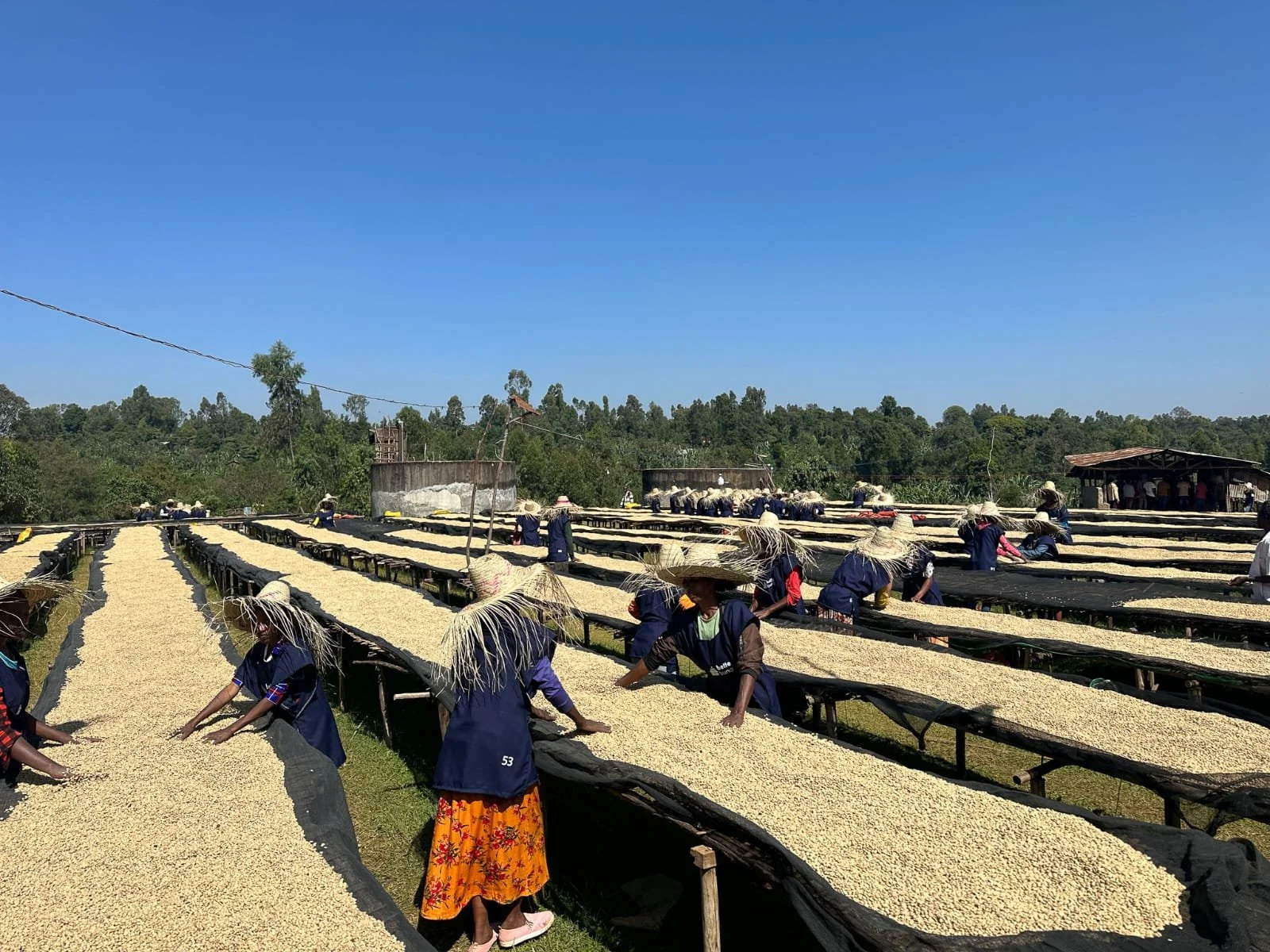
Community wet-mill
Most farmers sell their coffee as cherries, losing both value and traceability. With the Community Wet Mill, we aim to change that; creating a place where farmers can learn, co-produce, and access higher-value specialty coffee markets. Not all farmers will start here; participation is linked to progress in the Grow+ program, ensuring quality and readiness.
The mill will feature resource-efficient innovative equipment using up to 80% less water, and will serve as a learning center for other millers across Ethiopia, demonstrating how responsible business conduct and economic value can grow hand in hand. It will create local jobs, from seasonal work to skilled, permanent positions, motivating youth and encouraging school performance.
The first stage focuses on developing team capacity and technical expertise before investments are made to launch full operations in October 2026. With support, we can bring this model wet mill to life; turning coffee processing into shared value for farmers, families, and the future.
-
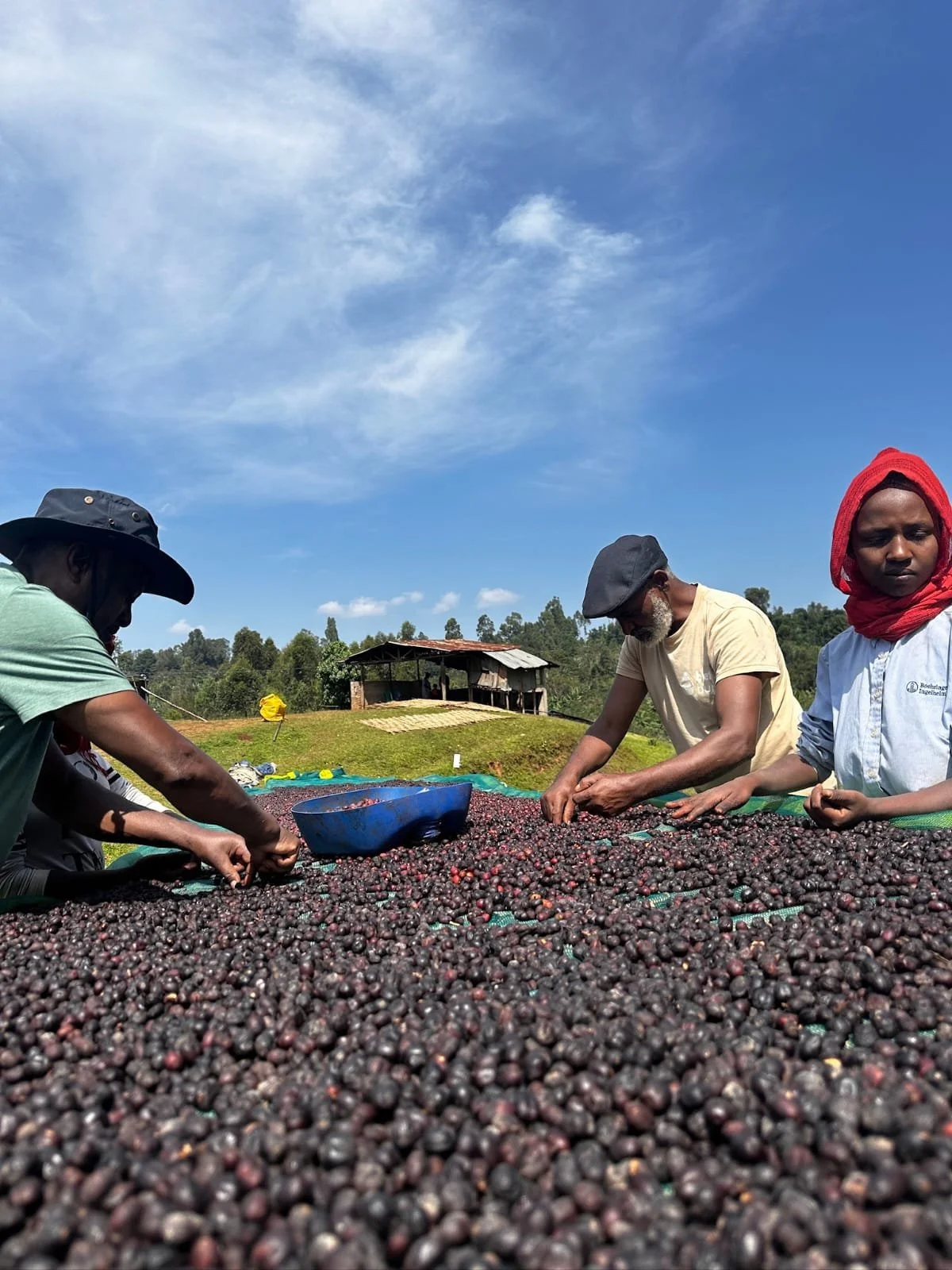
Processing curriculum for farmers by farmers
Together with farmers, scientists, coffee experts, and producers from countries like Colombia, we’re developing a Processing Curriculum: A hands-on learning program designed for farmers, by farmers, and co-created with the market. Using visuals instead of text, we make learning accessible to everyone, including those who cannot read or write.
The program focuses on young, talented farmers and emerging millers; those ready to add more value to their coffee through practical, replicable processing methods. It combines global expertise and local practice, building understanding of how processing enables quality, price, and income.
With financial literacy integrated throughout, farmers learn to balance delayed payments with higher-value returns. Driven by long-term collaboration between producers and roasters, this curriculum connects innovation, opportunity, and shared value.
-
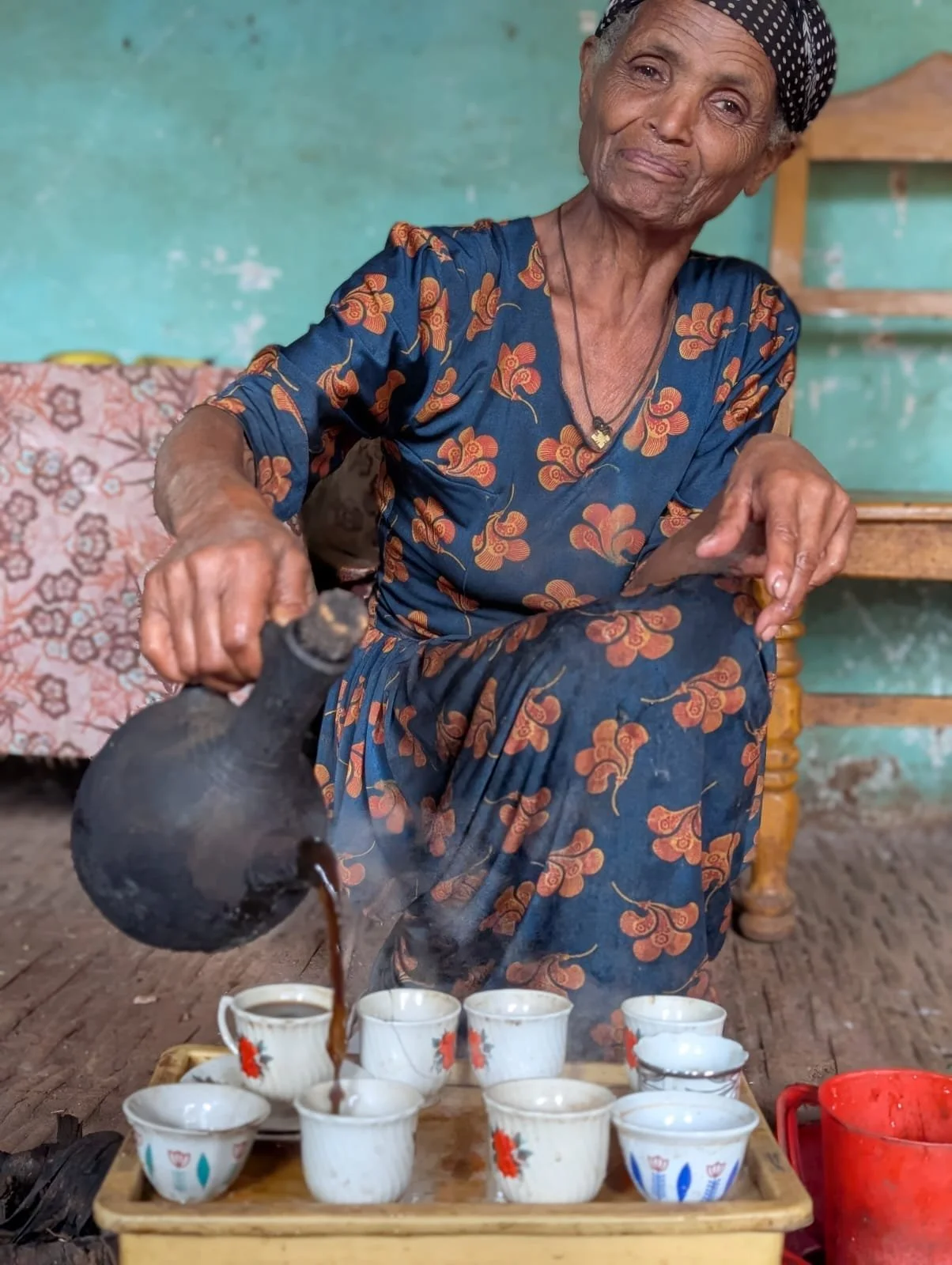
Buna Tetu community center
“Buna Tetu” means Come and Drink Coffee, and it’s more than just a phrase. It’s a community methodology first developed in 2013 by Stichting Joni, now brought to life through the Bette Buna Foundation. The Buna Tetu Community Center uses Ethiopia’s traditional coffee ceremony as a tool for dialogue and learning. Where everyone sits at the same level, leaving inequality at the door.
Through community-led workshops and social dialogue sessions, community members come together to discuss challenges and create shared solutions. Emerging trainers, supported through train-the-trainer programs, lead sessions on financial literacy, community savings, gender equality, responsible business conduct, and child labor awareness.
We also run Kids Buna Tetu (or “Cola Tetu”) where children take the lead in discussions about their own futures. These sessions help young voices contribute ideas on education, equality, and opportunity, ensuring the next generation has a say in the changes that shape them.
Different topics and sessions are planned for the coming years, with group sizes ranging from 12 to 50 participants. Your contribution can directly support these gatherings. By sponsoring workshops that build leadership, inclusion, and opportunity.
-
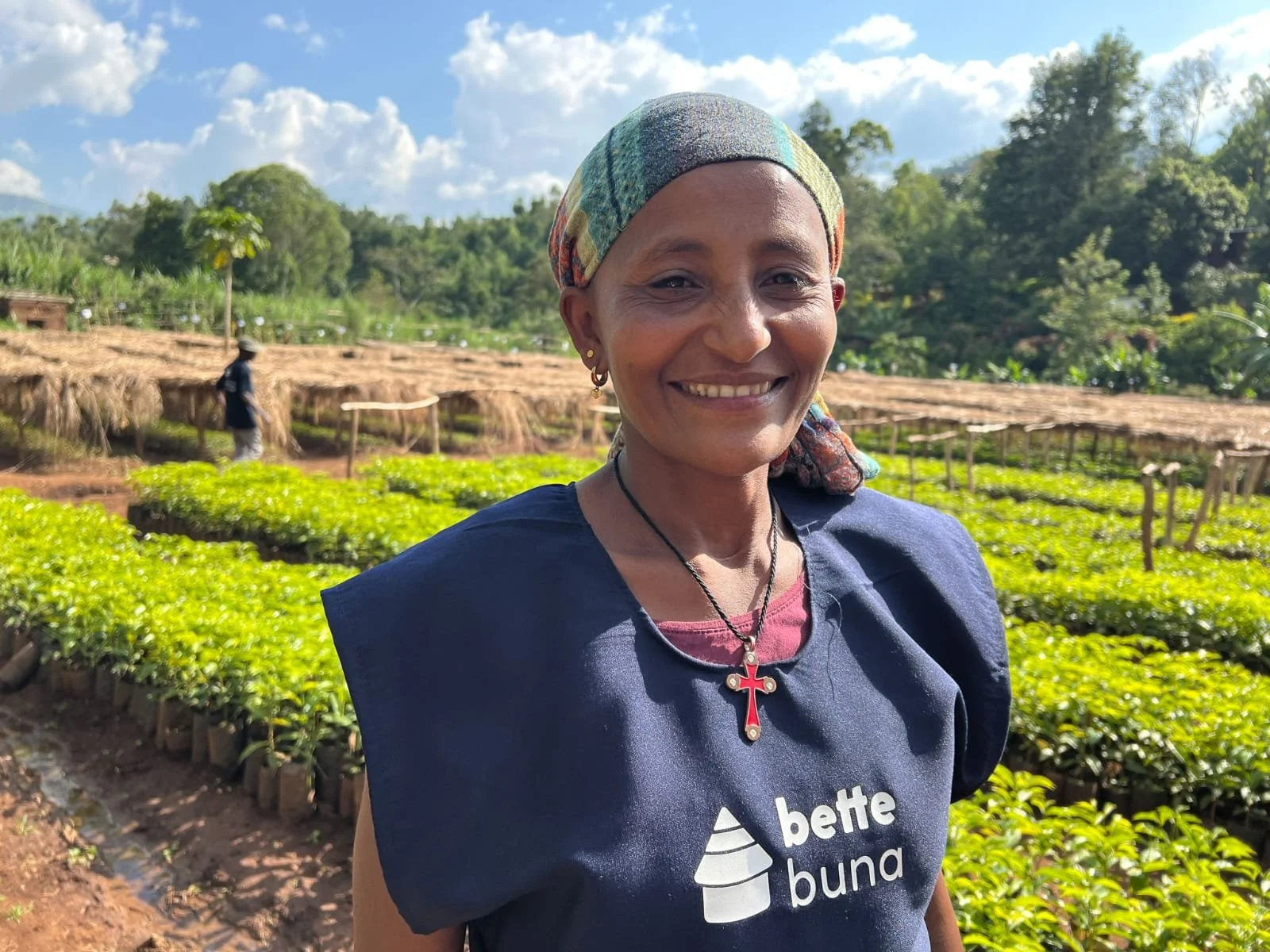
Community seedling nursery
In many parts of our community, there are almost no job opportunities, especially for those who are often left behind, such as people with disabilities, single mothers, and the elderly. Without work, there is no income, no hope, and no future perspective, deepening cycles of poverty and dependency.
Established in 2021 on the farm of Bette Buna, the Community Seedling Nursery offers a solution; creating permanent jobs and hands-on training for a diverse, inclusive team united by one mindset: working together towards progress.
Here, every team member contributes to producing climate-resilient coffee, shade, and food crop seedlings for the wider community, while gaining skills, confidence, and opportunities to grow. Some have already advanced to team leader roles, inspiring others to follow.
We are now preparing to scale the nursery, improving working conditions, strengthening the business model, and investing in equipment, education, and local distribution outlets. With your support, we can expand this inclusive workplace.
-
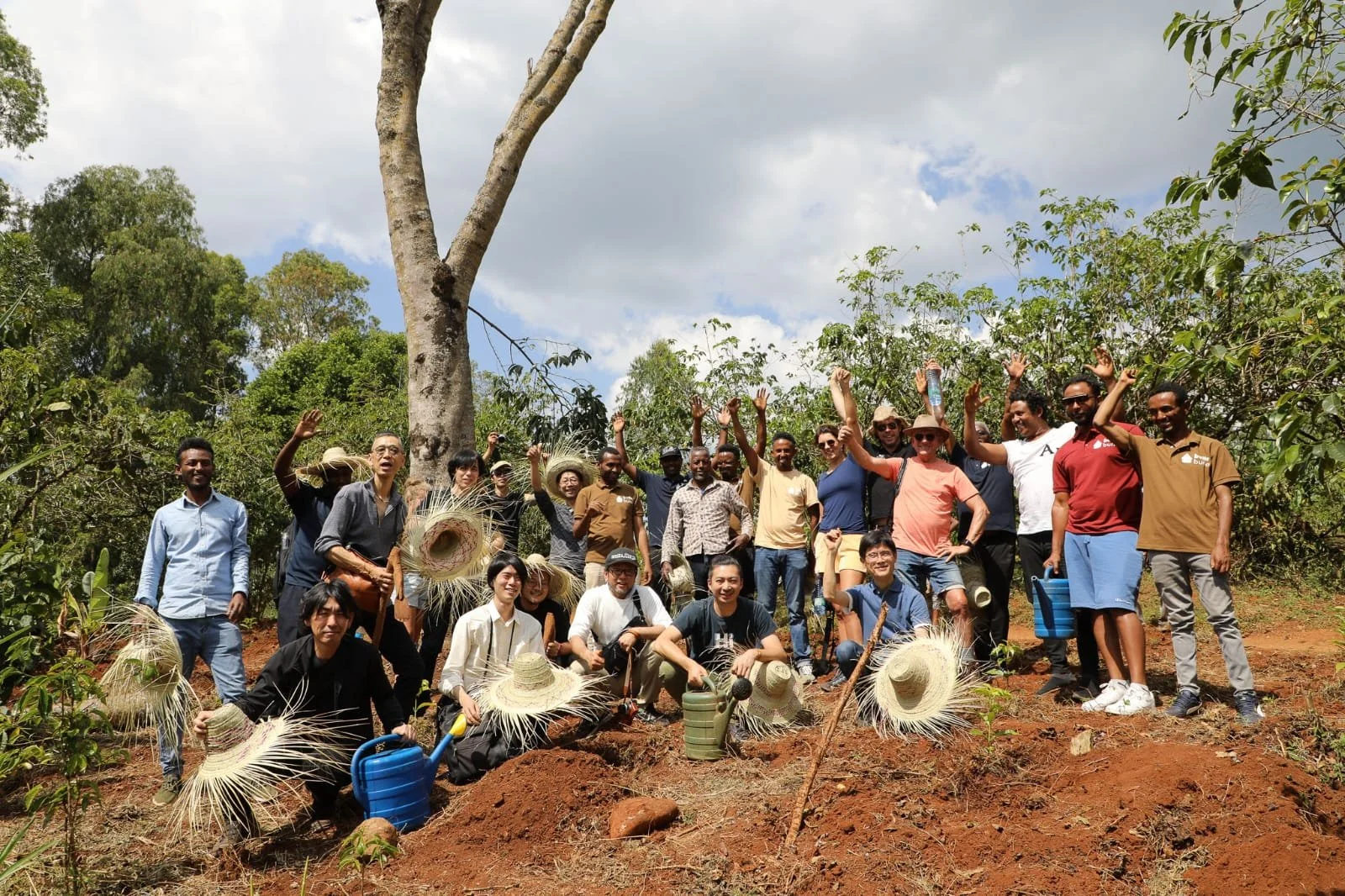
Eco tourism
When the coffee harvest ends, income in the community often runs out within months, leaving long stretches of poverty and uncertainty. The Eco-Tourism Project, planned on and around the Bette Buna Farm, offers an alternative: creating new jobs, small enterprises, and sustainable income through community-led tourism.
We’re using business as a tool to create social, environmental, and economic value. Through small-scale glamping stays inspired by traditional Sidama huts, visitors can experience coffee from farm to cup, guided by local hosts who share their knowledge and stories.
Alongside this, we’ll support young talents to develop local tour services and hospitality ventures, keeping value and opportunity within the community. With your support, we can bring this vision to life: a place where meaningful travel meets real impact.
The targets we’re committed to:
-
Improved incomes
By 2028, 3500 farming housholds in isolated coffee communities have increased their income by at least 20% through Grow+. Improving yields and foodsecurity, gaining financial literacy and accessing resilient seedlings, organic fertilzer and better markets.
-
Inclusive jobs
By 2028, 200+ inclusive jobs will be created in isolated coffee communities. Through skill trainings, entrepreneurship, eco-tourism and local micro-enterprises alternative incomes will be earned, which keeps value within the community.
-
Reduced environmental impact
By 2028, we cutted water use in processing by up to 80%, recycling waste streams into organic fertilizer and trained 3500 farmers in organic farming and agroforestry that restores soil health, protects biodiversity and stores carbon.
-
Strengthened hope and opportunity
By 2028, trust and hope for the future, have improved signifantly among youth and women through mentorship, role-models, entrepreneurship training and community-led initiatives that inspire people to believe in their own potential.
-
A fully traceable value chain
By 2028, we supported Bette Buna to develop a digital two-direction traceable value chain between roasters and farmers. Transparency in in costs and profits improving long-term commitment, understanding, and shared value.
-
Growth of local leadership
By 2028, 350 children and young adults in coffee communities, take part in decision-making of community initiatives, community-led workshops, mentoring peers to build a generation who moves transformation forwards.
Contact us
Questions? We can’t wait to hear from you!